Loading...
Serving Harlingen, TX and surrounding areas. (956) 506-1335
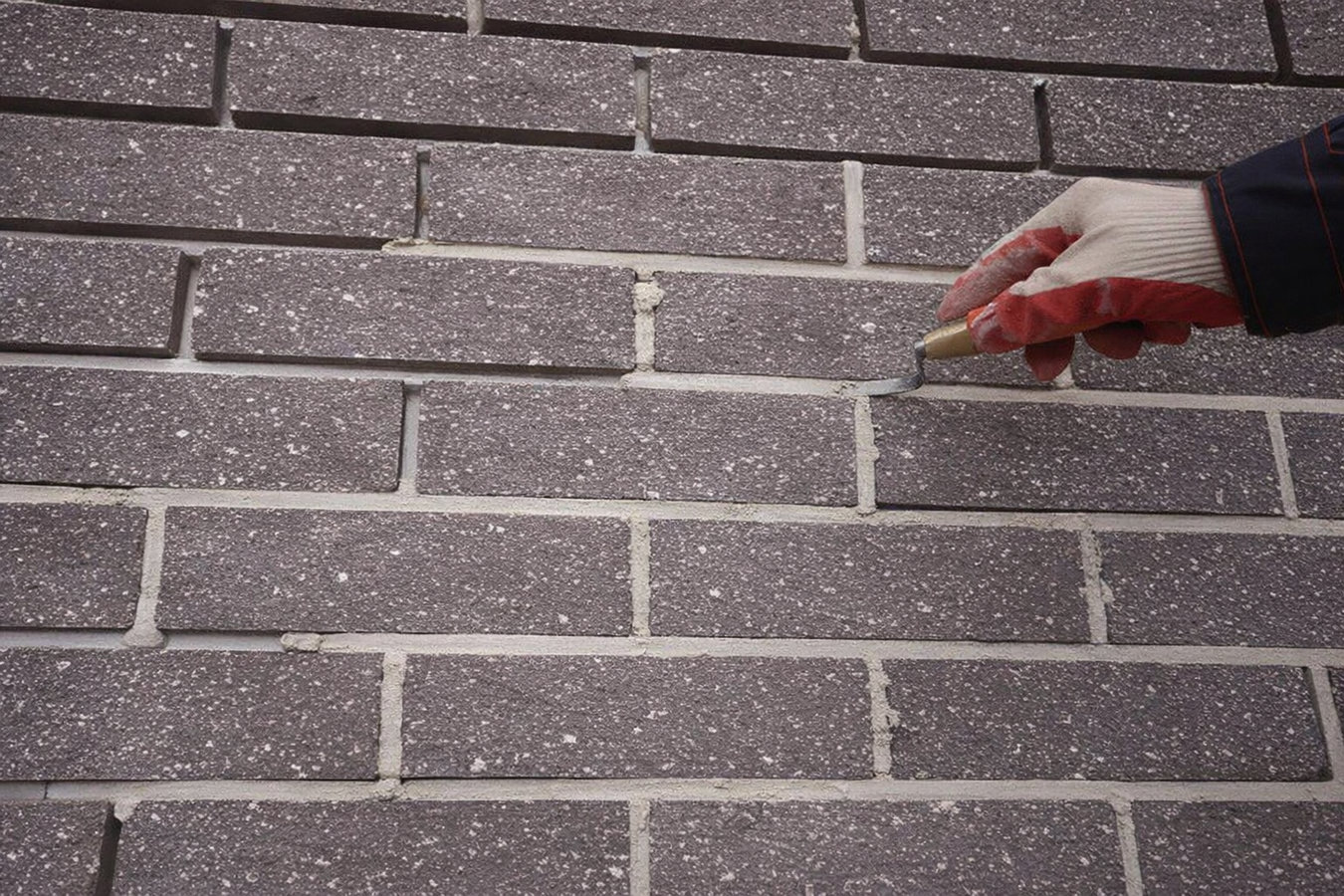
Crumbling mortar joints are the most common way water gets into a brick wall - and in Harlingen, every rainy season makes that opening wider. We repoint joints with mortar suited to Valley clay soil and Gulf Coast humidity, so your wall stays sealed and your home stays dry.
Brick pointing in Harlingen is the process of removing old, crumbling mortar from the joints between bricks and replacing it with fresh mortar - restoring the seal that keeps water out and holds the wall together - most focused residential jobs run one to three days, while full exterior work on a larger home can take a week or more.
Mortar is designed to be softer than brick - it absorbs the stress of ground movement and weather cycles so the bricks themselves do not crack. That is intentional, and it means the mortar wearing down over time is normal. In Harlingen, the process happens faster than in most of the country: the extreme heat, persistent Gulf Coast humidity, and the constant expansion and contraction of clay-heavy soil all accelerate joint deterioration. Homes built in the 1950s through 1980s - a large share of Harlingen's housing stock - are at or past the service life of their original mortar.
If the deterioration extends beyond the joints to cracked or spalled brick, our masonry restoration service covers the full scope of repair, including brick replacement, structural work, and surface restoration for Harlingen properties.
Run your hand along the mortar joints on your exterior wall. If the material feels soft, sandy, or comes away easily, repointing is overdue. Visible gaps wider than a credit card mean water is already getting in. In Harlingen's rainy season, even small openings let in enough moisture to cause damage inside the wall.
That white residue - called efflorescence - is a sign that water is moving through your wall and carrying dissolved salts to the surface. It is especially common in Harlingen after heavy rains or a wet summer. The staining itself is harmless, but it is your wall signaling that moisture is entering through deteriorating joints.
Homes in Harlingen's older neighborhoods - particularly those built in the 1950s through 1980s - are at or past the typical service life of their original mortar. If you have never had the joints inspected, a visual check by a mason is a smart first step, even without obvious problems. Early deterioration is far less expensive to address than the water damage that follows.
Harlingen's clay soils expand and contract with moisture changes, and that movement shows up in masonry walls as small cracks that widen over time. If you notice new cracks in the joints after a rainy period followed by a dry spell, that is soil movement expressing itself. Left alone, those hairline cracks widen into a more serious repair.
Every brick pointing job starts the same way: the damaged mortar is carefully removed to the correct depth - roughly three-quarters of an inch - before new material is packed in. Cutting too shallow leaves a weak surface bond. Cutting too deep risks destabilizing the brick. The preparation step is what separates a repair that lasts 20 years from one that fails in two seasons. Once the joints are clean, fresh mortar is packed in by hand and tooled to a consistent profile that matches the original finish and sheds water rather than trapping it.
We handle brick pointing on walls, chimneys, older home exteriors, and stone surfaces throughout Harlingen. If the problem extends beyond the joints - if individual bricks are cracked, shifted, or if a section of wall is structurally compromised - our foundation repair service addresses the ground movement that often drives recurring joint damage in Harlingen homes built on clay soil.
Removing old, deteriorated mortar to the correct depth and packing fresh mortar into the joints - the core repair for brick and stone walls at any stage of deterioration.
Chimneys take more weather exposure than almost any other masonry feature. We repoint joints, reset loose bricks, and match mortar color to the existing stack.
For mid-century Harlingen homes with original brick that has never been repointed - section-by-section repointing that restores the wall without altering the home's character.
Once the joints are repaired, a breathable masonry sealer reduces how often mineral staining reappears on walls in Harlingen's humid climate.
Harlingen sits in the Rio Grande Valley roughly 30 miles from the Gulf of Mexico, and that proximity keeps humidity elevated year-round. The Valley also receives bursts of heavy rainfall during hurricane season - June through November - when sustained downpours drive water against exterior walls for hours at a time. When mortar joints are even slightly compromised, that moisture finds its way in. In Harlingen's climate, trapped moisture leads to efflorescence, mold, and accelerated deterioration faster than in drier parts of Texas. Keeping joints sealed is one of the most cost-effective things you can do to protect the structure of your home here.
The clay soil throughout Cameron County adds another layer of stress: it expands during wet spells and contracts during dry ones, producing constant low-level movement in the walls above it. We serve homeowners across the Valley, including those in San Benito and Donna, where older brick homes show the same deterioration patterns as those in Harlingen's established neighborhoods. The conditions are consistent across the region, and so is our approach to working in them.
Reach out by phone or through the contact form. If you have spotted a problem spot, a photo helps. We will schedule a free on-site visit within a few days - accurate pricing requires seeing the wall in person.
The mason inspects the joints up close, checks how deep the deterioration goes, and notes what mortar color and texture will match your existing wall. You receive a written estimate with a clear scope of work - not a lump-sum number.
The mason carefully removes old mortar to the right depth, then packs in fresh mortar by hand and shapes each joint to match the original profile. In Harlingen's heat, work is scheduled for early morning and fresh joints are misted to prevent premature drying.
Mortar smears are cleaned off the brick face before we leave. Walk the finished wall with us before we pack up. New mortar needs 24 to 48 hours before it gets wet, and you should avoid pressure washing or sealing for at least a month after the work is complete.
Free written estimate. We reply within one business day. No obligation.
(956) 506-1335Harlingen's clay soils shift with every rain cycle, and rigid mortar cracks under that movement instead of flexing with it. We use mortar mixes suited to South Texas conditions - slightly softer than the brick itself, which is the correct ratio and the approach recommended by the Brick Industry Association (gobrick.com). That choice is what determines whether a repair lasts 20 years or fails in two.
Fresh mortar often looks noticeably lighter or darker than the surrounding wall until it cures and weathers. For front-facing walls or historically significant brick, we discuss color matching upfront and can show you a small test patch before committing to the full job. In Harlingen's strong sun, the weathering process moves relatively quickly.
Texas does not require masonry contractors to hold a state trade license, which means quality varies more here than in licensed states. You protect yourself by getting a written estimate with a clear description of what will be removed, what mortar type will be used, and what area will be addressed. We provide that on every job, no exceptions.
Many of the homes we work on in Harlingen were built in the 1950s through 1970s - the same era as much of the brick in older neighborhoods near downtown and along the historic residential corridors. We understand what mortar from that period looks like and how to match it, and we know the specific deterioration patterns that Harlingen's heat, humidity, and soil movement produce.
In Texas, masonry contractors do not need a state trade license - which means the written estimate, insurance documentation, and local references you ask for at the start of the hiring process are your primary protection. We welcome those questions, and we bring the same standards to a single-wall repointing job as to a full exterior restoration.
For mortar standards and repointing best practices, the Brick Industry Association publishes technical notes homeowners can review. Local permit requirements are covered by the City of Harlingen Development Services office, and contractor insurance requirements in Texas are administered through the Texas Department of Insurance.
If soil movement is cracking your mortar joints, the same forces may be affecting your slab. Foundation repair addresses the underlying ground movement before it shows up in your walls.
Learn MoreWhen deterioration goes beyond the joints and includes spalled brick, crumbling sections, or structural damage, masonry restoration covers the full scope of repair.
Learn MoreHarlingen's summer storms arrive fast - get your joints sealed now and take one worry off your list before the next heavy rain.