Loading...
Serving Harlingen, TX and surrounding areas. (956) 506-1335
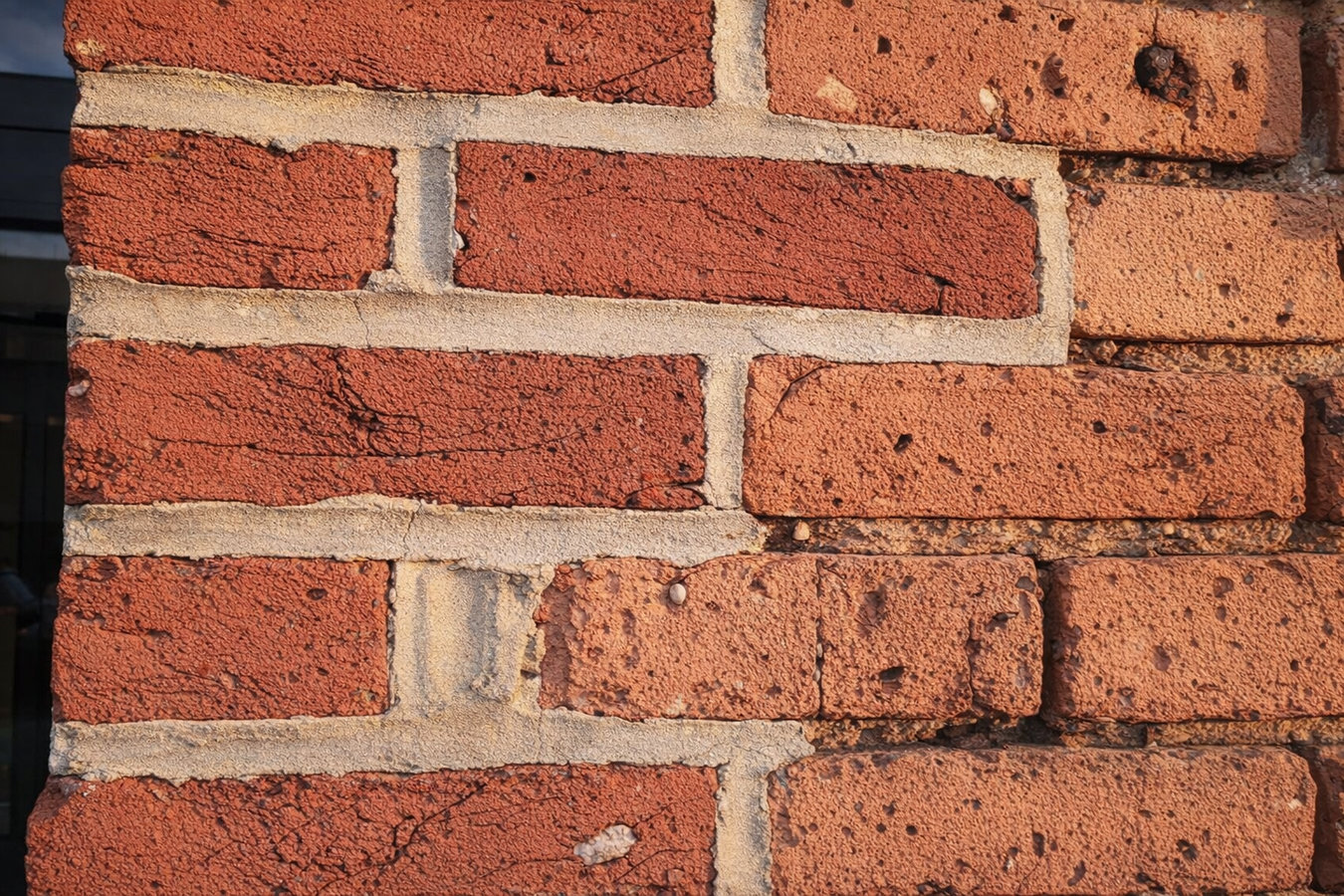
Crumbling mortar, stair-step cracks, and white staining on your brick are signs your masonry needs attention before the next heavy rain creates bigger problems.
Masonry restoration in Harlingen involves repairing and stabilizing brick, stone, or concrete block surfaces that have been damaged by time, clay soil movement, or moisture - most residential jobs are completed in one to three days depending on scope.
Most homeowners in Harlingen notice a problem after a heavy rain - water stains on interior walls, white chalky deposits on brick faces, or cracks that keep coming back. The clay soil under the Rio Grande Valley expands and contracts with every wet-dry cycle, and that movement stresses mortar joints and brick walls in ways that need professional attention. Masonry restoration is almost always less expensive and less disruptive than a full teardown and rebuild - a skilled contractor works to save as much of the original material as possible.
If your mortar joints are badly worn, a related service worth knowing about is fireplace installation - or if you want a natural upgrade to your home's exterior, stone masonry can complement restoration work beautifully.
Walk up close to any brick wall or chimney on your property and inspect the lines between bricks. If the material is crumbling, pulling away from the brick face, or missing in spots, water is getting in. In Harlingen's heat, this kind of wear can progress from cosmetic to a water intrusion problem within a single storm season.
Cracks that run diagonally across a brick wall or follow a stair-step pattern along the mortar joints mean the wall has moved - almost always because of the Rio Grande Valley clay soil shifting beneath it. These cracks are common here, and they let water in while signaling that professional attention is needed before the damage spreads.
A white, chalky residue on your brick face is called efflorescence - mineral salt that water carries out of the masonry as it evaporates. Seeing it means moisture is moving through your masonry, which signals that mortar joints or the brick surface have been compromised. In Harlingen's humid climate, this can accelerate mold growth and long-term structural damage.
Press gently on a brick or tap it with your knuckle. A hollow sound or slight movement means the mortar behind it has failed and the brick has lost its bond with the wall. This is a safety concern as well as a structural one - loose bricks are a clear sign restoration work is needed sooner rather than later.
Our restoration work covers the full range of what Harlingen homes need - from repointing worn mortar joints and cleaning efflorescence to repairing structural cracks and replacing damaged brick sections. We assess the age and type of your masonry before choosing materials, which matters most for mid-century homes where an incompatible mortar mix can cause more damage than the original problem. For properties where the fireplace is part of the affected masonry, we also handle fireplace installation and repair as part of the same project.
When the surface damage is cosmetic rather than structural - faded, dated, or worn stone or brick that you want to refresh rather than repair - our stone masonry work gives you options for upgrading the look of an existing structure while addressing any underlying problems at the same time. Every project starts with an in-person assessment and a written estimate so you know exactly what you are paying for before we start.
Best suited for walls, chimneys, and retaining walls with worn or missing mortar joints where the brick itself is still sound.
Ideal for walls showing diagonal or stair-step cracks caused by soil movement - repairs are engineered to flex with the ground rather than reopening.
Right for homes seeing white staining after rain - we close the entry points and clean the surface rather than just masking the symptom.
For walls with spalling, hollow, or badly damaged individual units that cannot be saved with mortar repair alone.
Harlingen sits in the Lower Rio Grande Valley where summer temperatures regularly exceed 100 degrees and the sun is intense for most of the year. That sustained heat causes mortar joints to expand and contract repeatedly, breaking down the bond between mortar and brick faster than in cooler climates. The Gulf Coast humidity means moisture is present in the air even when it is not raining, and any gap in a mortar joint becomes a pathway for water to work its way deeper into the wall. For homeowners in established Harlingen neighborhoods - particularly homes built between the 1940s and 1980s - masonry is old enough that restoration work is overdue even if the problems are not yet obvious from the street.
Homeowners in San Benito and Mercedes deal with the same clay soil and humidity conditions as Harlingen, and we work across the Valley regularly. The late-summer storm season is the time when deferred masonry maintenance becomes expensive - water that finds a worn joint in August can cause interior damage by September. Addressing visible wear before that window is the most cost-effective thing most homeowners can do.
Tell us what you are seeing and where on the property - we will respond within one business day. Most masonry problems are hard to quote from a photo alone, so we schedule an in-person visit before giving a price.
We examine the masonry up close - checking mortar joints, testing for loose bricks, and looking for signs of soil movement. You receive a written estimate with a clear scope and cost before any work begins.
The crew cleans the surface, removes damaged mortar, and applies fresh material matched as closely as possible to the existing color and texture. Most single-wall jobs finish in one to two days.
We clean up debris, remove equipment, and walk the repaired areas with you before leaving. Fresh mortar needs 24 to 48 hours before it gets wet - we will tell you exactly what to avoid during that window.
Written estimates, no obligation. We respond within one business day.
(956) 506-1335We assess the age and type of your existing brick before choosing a mortar mix - using a mix that is too hard for older brick can crack the bricks themselves. Many Harlingen homes were built in the mid-twentieth century with softer materials that require a compatible repair mortar, not a modern high-strength mix.
The Rio Grande Valley's expansive clay soil moves with every wet-dry cycle, and that movement reopens repairs that do not account for it. We look at crack patterns before we quote so the fix holds through the next storm season, not just the next few weeks.
Before we touch anything, you have a written estimate with a clear scope, cost, and realistic timeline. Surprise charges after work starts are one of the biggest homeowner complaints about contractors - we make sure that conversation never happens with us.
We work across Harlingen and throughout Cameron County, and we understand how Gulf Coast humidity and concentrated summer rain events affect masonry here differently than drier parts of Texas. That local knowledge shapes every repair decision we make.
The Mason Contractors Association of America sets professional standards for masonry work, and we follow those guidelines on every project. Combined with our understanding of Harlingen's clay soil, humidity, and older housing stock, that approach is why homeowners call us back for the next job - and refer their neighbors.
Add a new masonry or gas fireplace to your Harlingen home with full permitting and city inspection handled for you.
Learn MoreNatural and manufactured stone work for walls, columns, and architectural features that complement restored brick structures.
Learn MoreStorm season comes every year - address worn mortar and cracked brick now so water stays outside where it belongs.