Loading...
Serving Harlingen, TX and surrounding areas. (956) 506-1335
Crumbling mortar joints let water into your walls. We grind out the old material, pack in fresh color-matched mortar, and restore the protection your brickwork was built to provide.
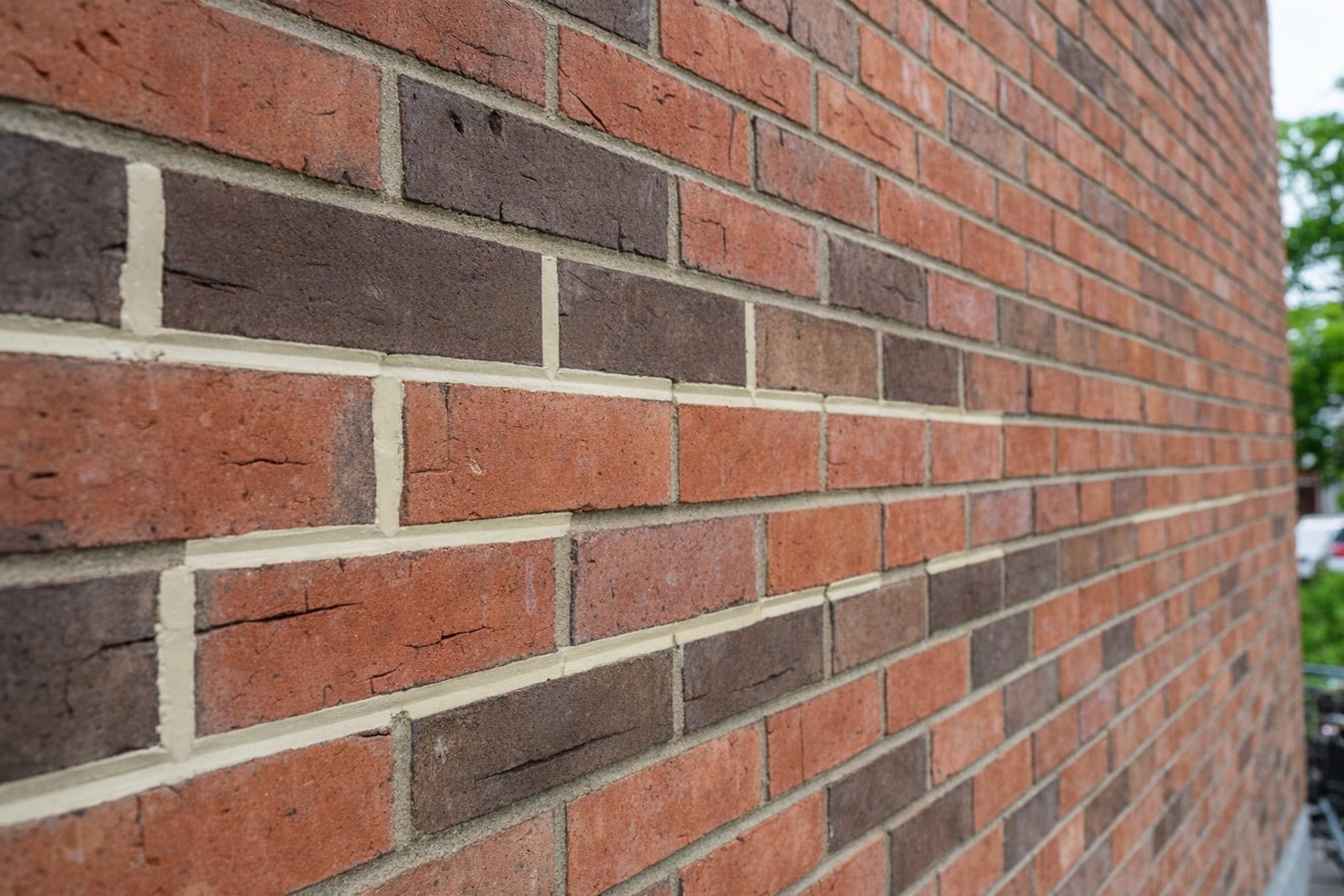
Tuckpointing in Harlingen restores deteriorated mortar joints by grinding out the old material and packing in fresh mortar, most jobs covering a single-family home take one to three days and stop water infiltration immediately after the mortar cures.
Mortar is designed to be softer than the surrounding brick - it absorbs movement and moisture so the bricks themselves do not crack. But in Harlingen, the combination of summer temperatures that push past 100 degrees F, periodic heavy rains, and clay soils that shift with every wet-dry cycle accelerates that breakdown significantly. When the joints go soft, water has a direct path into your wall.
Tuckpointing addresses the joints. If the bricks themselves are cracking or spalling, that is a separate conversation - see our brick repair service for that level of damage.
Run your finger along the joints on an exterior wall. If the material feels sandy, crumbles away, or comes off as powder, it has lost its binding strength. In Harlingen's heat, once mortar starts going soft it tends to deteriorate quickly through the rest of the summer - so catching it early matters.
Chalky white streaks or patches appearing on your brick after it rains are called efflorescence. They form when water moves through the wall and carries dissolved minerals to the surface. Harlingen's periodic heavy rain events make this pattern common here, and it tells you moisture is already getting past the joints.
Stand back and look at your exterior walls in good light. If the mortar lines look sunken, uneven, or have visible gaps rather than sitting flush with the brick faces, the joints have eroded. This is easy to spot on chimneys and garden walls, which tend to show wear before the main house walls do.
If an interior wall that backs up to an exterior brick surface feels damp or smells musty after a heavy rain, water is finding a path through the masonry. Given Harlingen's clay soils and seasonal shifting, small cracks in mortar joints can open gradually over years without being obvious from the outside.
Most tuckpointing calls fall into one of two categories: a focused repair on one or two problem areas, or a full repoint of an entire wall or structure. We handle both. A focused repair makes sense when the damage is isolated - a section of chimney, a short run of garden wall, or a few spots where mortar has clearly failed ahead of the rest. Full-wall repointing makes sense for older brick homes where the original mortar has simply reached the end of its useful life, which describes many Harlingen houses built in the 1950s through 1970s.
In either case, the process is the same: we grind or chisel out the old mortar to the proper depth, clean the joint, and pack in fresh mortar that matches your existing joint color as closely as possible. When the damage has gone beyond the joints into the bricks themselves, we refer customers to our brick repair service. For chimney-specific joint work, we also offer brick pointing as a targeted option for that structure.
Best for homeowners with isolated damage in one or two areas who want to stop a specific problem before it spreads.
Best for older brick homes where the original mortar has reached the end of its lifespan and needs to be refreshed across the whole surface.
Best for chimneys showing mortar loss, white staining, or visible joint recession - chimneys face the harshest weather exposure of any part of the home.
Best for landscape and property boundary walls where mortar failure can lead to structural movement or water intrusion into adjacent areas.
Harlingen's climate is hard on mortar. Summer temperatures regularly top 100 degrees F, and the humidity that rolls in from the Gulf keeps moisture levels high year-round. That combination - intense heat followed by heavy rain events - breaks down mortar faster here than in most parts of the country. Homes in San Benito and the older established neighborhoods of Harlingen face the same challenge: south- and west-facing walls absorb the brunt of afternoon sun, and those are exactly the joints that tend to fail first.
The clay soils under the Rio Grande Valley add another layer of stress. Clay expands when wet and shrinks when dry, and that seasonal movement works its way up through foundations and into brick walls, opening small cracks in mortar joints that would not appear in more stable soil conditions. Homeowners in La Feria and the surrounding valley communities often find that mortar joints fail not just from age but from the ground underneath moving. Tuckpointing restores the barrier - but on homes where clay-related cracking keeps recurring, we will tell you honestly what is driving the damage.
We respond within one business day. Tell us where the damage is, roughly how much wall is involved, and whether you have noticed any specific signs - soft mortar, staining, or interior dampness. We will schedule an on-site estimate at your convenience.
A contractor walks the exterior with you, notes how deep the damage goes and which walls are most affected, and gives you a written estimate before any work starts. No verbal ballparks - you will have the scope and price in writing.
The crew uses an angle grinder or oscillating tool to remove old mortar to the proper depth - typically at least three-quarters of an inch. After cleaning the joint, they pack in fresh mortar and tool it to match your existing joint profile. The work moves section by section across the wall.
The crew removes mortar smears from brick faces and cleans the work area before leaving. Walk the job with us while we are still on-site. Keep water away from the fresh joints for the first 48 hours - we will leave you written instructions on what to avoid during the curing period.
Written estimate before any work starts. No surprise charges.
(956) 506-1335Good tuckpointing removes at least three-quarters of an inch of old mortar so the new material has solid material to grip. Smearing new mortar over old crumbling joints - a surface patch - fails within a year or two. We show you the depth we are removing before we start filling, so you can see the difference yourself.
Mortar pigment matching is not an add-on here - it is standard. We mix a test batch, apply a small patch, and let it dry fully before you commit to the full job, because mortar looks different wet versus dry. A repair that blends in reflects the care that went into the work.
We have been doing masonry work in Harlingen and the surrounding valley communities since 2015. We know the local clay soil conditions, how the heat cycle affects different mortar types, and which walls tend to fail first in this climate - knowledge that comes only from doing this work here for years.
Texas does not require masonry contractors to hold a state license, which means the credential bar is low. What we offer instead is a written estimate that does not change without your approval first, proof of general liability insurance on request, and references from local jobs you can actually call. Learn more at the{' '}Brick Industry Association (gobrick.com).
The combination of proper removal depth, color-matched mortar, and honest pricing is what separates tuckpointing that lasts from a patch job that fails before the next rainy season. We back the work with references you can verify - ask us for them at any point.
For permit questions, contact the City of Harlingen Development Services directly. For general mortar and masonry standards, the Brick Industry Association and the Mason Contractors Association of America are reliable resources.
Cracked or spalling bricks repaired and matched to your existing wall color and texture.
Learn MoreTargeted repointing of individual joint sections where mortar has failed without a full-wall job.
Learn MoreContact Harlingen Concrete & Masonry today for a written estimate on tuckpointing in Harlingen. The sooner you address mortar loss, the less water damage you pay for later.