Loading...
Serving Harlingen, TX and surrounding areas. (956) 506-1335
Harlingen Concrete & Masonry is a masonry contractor serving Alamo with stone veneer installation, brick repair, and concrete block work designed for Hidalgo County clay soil and the South Texas climate. We have served homeowners across The Valley for years and reply within one business day on every inquiry from Alamo.
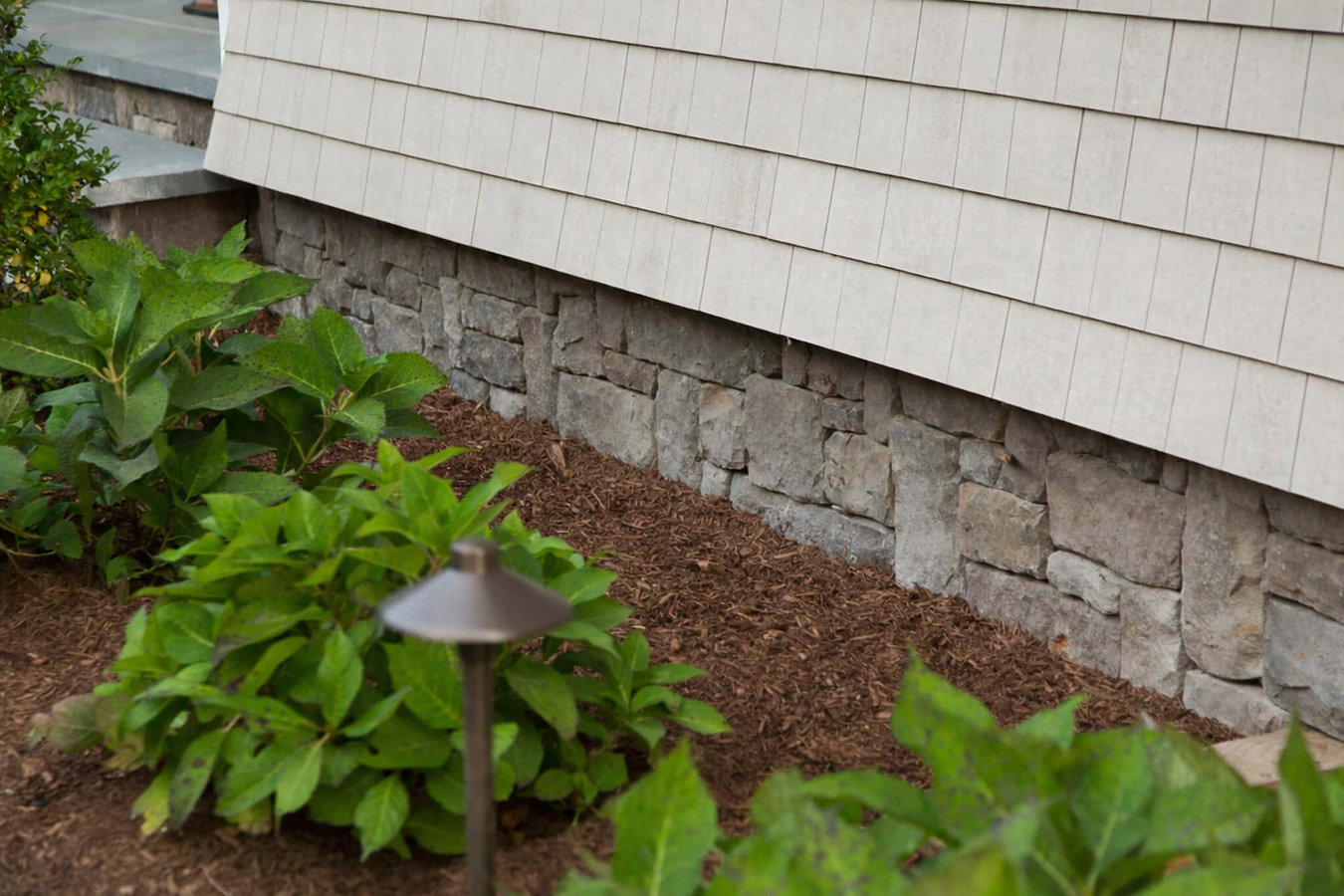
Many Alamo homeowners are updating their 1980s and 1990s brick or stucco exteriors with a fresh look that holds up to the South Texas climate without requiring constant maintenance. Properly installed stone veneer installation over a prepared masonry substrate handles the Hidalgo County clay soil movement that causes cheaper finishes to crack and separate within a few seasons.
Stucco and brick veneer are the most common exterior finishes on Alamo homes, and both develop cracks where the clay soil shifts beneath the slab. On brick walls, the damage starts at the mortar joints and progresses to spalling brick faces if left alone through a few more wet-dry cycles. Repairing isolated sections early - before moisture reaches the wall backup - keeps the repair scope small and the cost manageable.
Alamo's sustained summer heat - temperatures regularly top 100 degrees Fahrenheit from June through September - breaks down the original mortar in many 1980s and 1990s Alamo homes faster than owners expect. Tuckpointing removes the crumbled material, restores the joint profile, and fills it with fresh mortar that bonds tightly, so the wall can shed Alamo's intense summer rains without letting water behind the brick.
Alamo lots are mostly modest-sized, and a reinforced concrete block wall on the property line gives homeowners defined boundaries and privacy without the maintenance that wood fencing requires in this climate. Block walls on proper footings resist the lateral pressure that Hidalgo County clay soil applies during wet periods and stay plumb through years of seasonal movement.
Alamo homes built in the 1970s and 1980s often have foundation block sections that have shifted or seen mortar deteriorate to the point where water can enter during the heavy rain bursts that South Texas sees in late summer. New foundation block wall installation to current depth requirements keeps water out and provides a stable base for the rest of the home.
Alamo's flat terrain drains slowly after heavy Gulf rain events, and low areas in yards stay wet long enough to saturate the clay soil around the foundation. A retaining wall with drain provisions can redirect surface runoff away from the house, protect the slab from repeated soaking, and stabilize areas that have lost grade over time from soil erosion.
Alamo is a city of about 19,000 people in Hidalgo County, and the majority of its homes are owner-occupied single-family houses built between the 1970s and the early 2000s. That age profile matters for masonry: homes from this era were built on concrete slabs, and the heavy clay soil throughout Hidalgo County has been cycling through wet and dry seasons for long enough to produce visible effects - cracked concrete flatwork, open mortar joints, stucco lines that do not sit flush anymore, and doors that stopped latching properly a few years back. These are not cosmetic problems. They are signs that the soil is moving and the masonry is responding to it.
The climate adds pressure from two directions. Summer in Alamo is extreme - upper 90s to low 100s Fahrenheit from June through September, with Gulf humidity making it feel hotter - and that sustained heat accelerates mortar breakdown on any wall with significant southern or western exposure. On the other end, the February 2021 winter storm reached Alamo and caused burst pipes and masonry damage across the Rio Grande Valley. Homes here were not built with hard freezes in mind, and any masonry joint that holds standing water became a problem overnight. The flat terrain that defines this part of the Valley also means poor natural drainage - standing water against foundations after a summer rainstorm is common, and every season of saturation adds to the cumulative pressure on block walls and slab edges.
Our crew works throughout Alamo regularly, and we understand the local conditions that affect masonry work here. The city sits between McAllen and Edinburg along the US-83 corridor, and we work across that stretch of the Valley often enough to know the soil profiles, the typical foundation types, and the permit process at the City of Alamo. Structural masonry projects - new block walls, retaining walls, and foundation work - go through City of Alamo permitting, and we pull those permits as a standard part of the job so the homeowner is protected.
Alamo grew up as a farming town, and that agricultural identity still shows on the edges of the city where residential lots sit near citrus groves and working fields. Soil near those properties tends to retain moisture longer and compacts differently than lots deeper in established subdivisions, which affects how we approach footing depth on block wall projects. Many Alamo homeowners are long-term residents who know their property well - that local knowledge is useful to us when we are assessing what has changed and what has been stable over the years.
We also serve nearby San Juan along the same stretch of the Valley, so if your project is near the city boundary or a neighbor needs similar work done, we handle both sides without separate mobilization.
Call or submit a request online and tell us what you are seeing - cracked stucco, open brick joints, a wall that has shifted, or a foundation concern. We reply within one business day to every inquiry from Alamo.
We visit your Alamo property, assess the actual soil conditions and scope, and give you a written estimate at no charge. This is when we confirm whether a City of Alamo permit is required - no obligation to proceed after the estimate visit.
Once you approve the estimate, we schedule the project and arrive on the agreed date. Most Alamo masonry jobs - stone veneer on a front elevation, tuckpointing on a wall section, or a block perimeter wall - take three to seven days depending on scope and cure time. You do not need to be home during most of the work.
When work is complete, we walk the job with you, cover any cure time or maintenance notes, and handle permit closeout if one was pulled. We do not consider a job finished until you have walked it and are satisfied.
We serve homeowners throughout Alamo and the Rio Grande Valley. Free on-site estimates, no obligation, and we reply within one business day from Alamo.
(956) 506-1335Alamo is a city of roughly 19,000 in Hidalgo County, sitting near the center of the Rio Grande Valley between McAllen and Edinburg. Like most cities in this part of South Texas, it grew up as a farming community - citrus groves, sugarcane fields, and vegetable crops have surrounded the city for generations, and that agricultural identity still shapes the edges of town where residential neighborhoods meet open farmland. The city is part of the broader metro that locals call "The Valley," a four-county region along the southern tip of Texas that carries its own identity distinct from the rest of the state. For permit and building code purposes, Alamo falls under the Hidalgo County jurisdiction, which governs building inspections and structural requirements for masonry and concrete work.
Most Alamo homes are detached single-family houses with stucco or brick exteriors, slab foundations, and modest front and back yards. The housing stock is predominantly owner-occupied - homeownership rates here are higher than in many nearby cities, which means homeowners tend to care about long-term quality rather than quick fixes. Neighboring San Juan shares Alamo's housing age profile and clay soil conditions, and homeowners near the boundary between the two cities often face the same masonry maintenance cycle on either side of the line.
Build sturdy retaining walls that control erosion and grade changes.
Learn MoreInstall block foundation walls engineered for long-term stability.
Learn MoreBuild decorative or structural brick walls with expert craftsmanship.
Learn MoreClay soil and South Texas summers put real wear on brick, stucco, and concrete. The sooner mortar joints and cracked surfaces are repaired, the smaller the repair scope stays.