Loading...
Serving Harlingen, TX and surrounding areas. (956) 506-1335
Harlingen Concrete & Masonry serves San Juan homeowners with brick wall installation, tuckpointing, and foundation masonry designed for Hidalgo County clay soil and South Texas summers. We reply within one business day and put everything in writing before work begins.
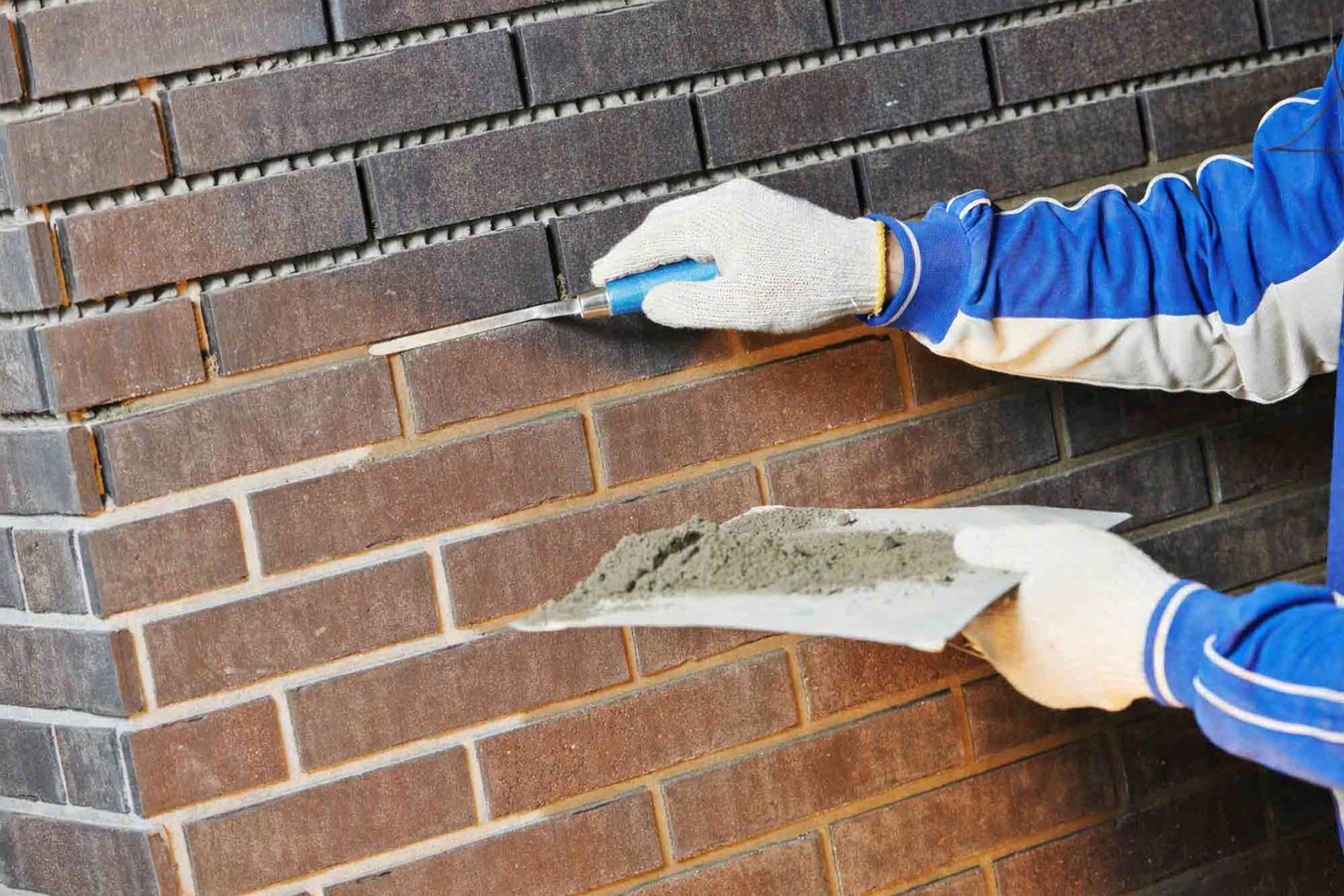
San Juan lots are mostly modest in size, and a properly built brick wall along the property line gives homeowners privacy, defines outdoor living space, and holds up to the clay soil pressure that shifts block and wood fencing over time. Our brick wall installation includes footings sized for Hidalgo County soil conditions so the wall stays plumb through wet and dry seasons.
A large share of San Juan homes were built between the 1970s and 1990s, and mortar joints from that era are now old enough to crumble under finger pressure. Deteriorated joints let moisture behind the brick exterior, which then works on the backup wall and framing. Tuckpointing removes the failed material and refills the joint with mortar that bonds tightly to the surrounding brick - the right repair when the bricks themselves are still structurally sound.
San Juan homes sit on concrete slabs, and the expansive clay soil beneath them moves with every rain and dry cycle. Homes built in the 1970s and 1980s are now 40 to 50 years old - an age where slab settlement is common and sticking doors, diagonal wall cracks, and sloping floors are signs that the foundation has shifted. We assess local soil conditions as part of every foundation evaluation, because a repair that ignores why the movement happened will not hold long.
Brick and stucco are the most common exterior finishes on San Juan homes, and both develop cracks where the soil moves beneath the structure. Cracked or missing bricks on the exterior wall create an opening for moisture to get into the framing during heavy Gulf rain events - the kind that produce flash flooding across flat Hidalgo County terrain. We match replacement brick to the existing wall as closely as possible so repairs do not stand out against the original.
Properties near the Basilica of Our Lady of San Juan and the older streets closer to the city center have masonry structures that have absorbed decades of South Texas heat, moisture cycles, and soil movement. Restoration work addresses the underlying mortar, spalled brick faces, and structural cracks - not just the surface appearance - so the repair actually stops the deterioration rather than covering it temporarily.
Concrete block is a practical choice for backyard enclosures in San Juan, where the flat terrain and clay soil mean freestanding wood fencing tends to lean and fail within a few years. A reinforced block wall on a properly sized footing handles lateral clay soil pressure far better than wood or lightweight metal alternatives, and it requires very little maintenance once installed correctly.
San Juan is a predominantly owner-occupied community with a homeownership rate above the Texas average for cities of similar size. Most of the housing stock was built between the 1970s and 1990s - homes that are now 30 to 50 years old and hitting the age where original roofs, HVAC systems, and masonry finishes need real attention. The clay-heavy Hidalgo County soil beneath these slabs expands and contracts with every wet and dry season, and that movement is the primary driver of mortar joint deterioration, slab cracking, and exterior stucco damage across San Juan neighborhoods. Catching masonry damage early - when a mortar joint can be refilled rather than when water has worked through to the framing - is almost always significantly less expensive.
Summer temperatures in San Juan climb above 100 degrees Fahrenheit regularly from June through August, and the months of direct sun on brick and stucco walls are hard on mortar and caulked joints. The city also received significant damage during Winter Storm Uri in February 2021 - pipes that had never needed freeze protection burst across the Valley, and homes with masonry features near water lines sometimes saw secondary cracking from the resulting moisture. Newer subdivisions on the north and west edges of San Juan are now 10 to 20 years old, which is when concrete driveways, walkways, and block walls from the original construction start to show the effects of repeated clay soil movement. The City of San Juan Building Department handles permits for structural masonry work, and any contractor doing foundation or wall work here should be pulling those permits as standard practice.
Our crew works throughout San Juan regularly, and we understand the local conditions that affect masonry contractor work here. The city runs along US Highway 83 - the main east-west road through the Rio Grande Valley, locally called the Military Highway - which puts San Juan right in the middle of the McAllen metro area. Most of the residential streets we work on are single-family homes on modest lots, and the older parts of town near downtown have a different character than the newer subdivisions going up on the city's edges.
The Basilica of Our Lady of San Juan del Valle is the most recognized landmark in the city and draws visitors from across the Valley and beyond. We work on homes throughout the surrounding neighborhoods, from older brick-clad houses near the basilica to newer stucco construction on the north side. For homeowners in Pharr, which borders San Juan to the west, we cover that city as well - the soil and housing conditions are essentially the same across both communities.
We also serve homeowners across the metro in McAllen, just minutes away on US-83. Structural masonry permits for San Juan go through the City of San Juan Building Department, and we handle that process directly so homeowners do not have to coordinate it themselves.
Call or submit a request through our contact form. We reply within one business day and schedule a visit that works around your availability - you do not have to take time off to meet us.
We visit the property in person, evaluate the masonry conditions, and provide a written estimate before you commit to anything. We also confirm whether a permit is required through the City of San Juan for your specific project scope.
Most San Juan masonry jobs take one to four days. The crew keeps the site clean and works in the sequence that makes the most sense for curing times and weather - especially important during the rainy season when fresh mortar needs protection from rain.
After completion, we walk you through what was done and leave written care instructions for fresh mortar or new concrete. You will also have documentation of the work performed, which matters if you sell the home or ever make an insurance claim related to the repair area.
We serve San Juan homeowners across Hidalgo County. Written quote, no obligation, no pressure.
(956) 506-1335San Juan is a city of about 38,000 residents in Hidalgo County, sitting in the heart of the Rio Grande Valley along US-83. The city is best known across the region for the Basilica of Our Lady of San Juan del Valle, a national shrine that draws hundreds of thousands of visitors each year and serves as a cultural anchor for the surrounding community. The residential character of San Juan is predominantly single-family homes on modest lots, with the older neighborhoods near downtown and the basilica featuring brick-clad and stucco homes from the 1970s through the 1990s. The homeownership rate here is notably high for a Valley city of this size, which reflects a community where residents are invested in maintaining their properties.
Newer subdivisions on the north and west sides of San Juan have gone up in the 2000s and 2010s, bringing a mix of home ages to the city that ranges from nearly new construction to homes approaching 50 years old. San Juan borders Pharr to the west and shares the same clay-soil slab construction and climate conditions. The masonry needs across both cities are closely related - mortar joint deterioration, slab cracking from seasonal soil movement, and exterior finish repairs are the most common calls we get from homeowners throughout this part of the Valley. We also serve Alamo, just to the east, where the housing stock and soil conditions are very similar.
Build sturdy retaining walls that control erosion and grade changes.
Learn MoreInstall block foundation walls engineered for long-term stability.
Learn MoreBuild decorative or structural brick walls with expert craftsmanship.
Learn MoreClay soil and South Texas heat test your masonry every season. Call today for a free on-site estimate and a written quote before work begins.